
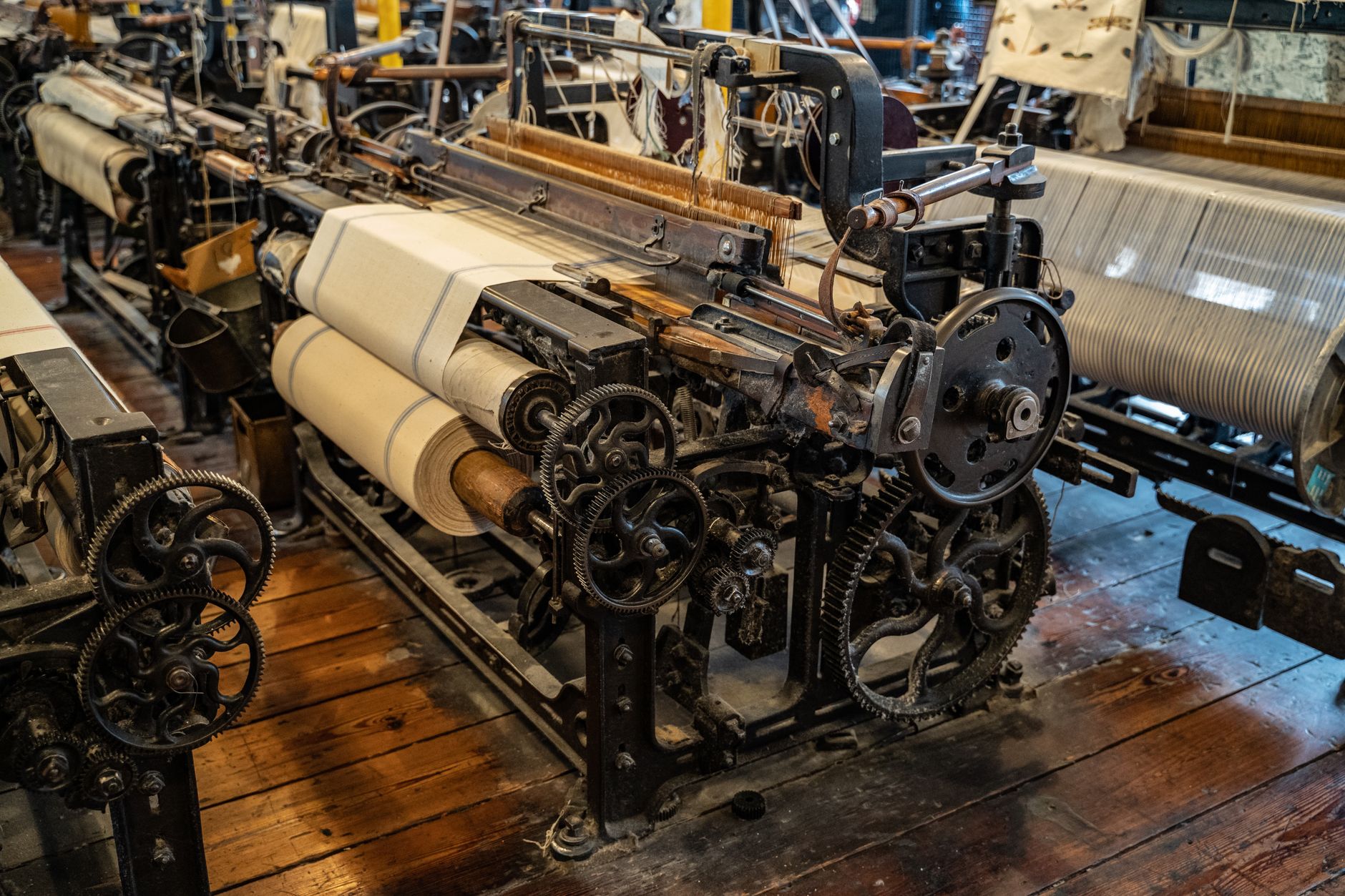
How a world‑leading craft nation lost its skills — and why it matters now
The UK was once a powerhouse of making things. Not just big things like ships, locomotives, and engines, but the small, intricate, high‑precision components that made those machines world‑class. Toolmakers, patternmakers, machinists, instrument builders — these were the quiet heroes of British industry.
Today, many of those skills have vanished. Not because people stopped caring, but because the systems that created those skills were dismantled. What we’re living through isn’t just deindustrialisation. It’s an industrial de‑revolution — a reversal of the very processes that once made Britain globally competitive.
🧱 The Apprenticeship Era: When Skills Were a Birthright
For our parents’ generation, leaving school at 14–16 and entering an apprenticeship wasn’t a failure — it was a pathway to mastery. Young people learned by doing, watching, copying, and gradually taking ownership of their craft.
This system created:
- deep procedural memory
- long-term craftsmanship
- pride in making
- intergenerational skill transfer
- stable careers
It also supported people with different cognitive profiles — including ADHD — because the work was structured, physical, and hands-on.
🏭 The Collapse of the Skill Ecosystem
From the 1980s onward, the UK shifted from manufacturing to services. Factories closed, workshops downsized, and apprenticeships were replaced with academic pathways. The assumption was simple: “We’ll outsource the making and focus on design, finance, and management.”
But outsourcing doesn’t just move jobs — it moves capability.
Once the skill ecosystem breaks:
- tacit knowledge disappears
- mentorship chains end
- precision workshops close
- young people lose access to hands-on learning
- industries become dependent on imports
You cannot rebuild a craft base overnight. Some skills, once lost, are gone for good.
🧠 The Cognitive Consequences
Modern work is digital, abstract, and self‑managed. It suits some people brilliantly — but not everyone. The decline of practical, structured, craft-based roles has left many workers struggling in environments that demand constant planning, organisation, and multitasking.
This is one reason ADHD is more visible today. The old system masked it. The new system exposes it.
🔧 Why This Matters Now
The UK is rediscovering the importance of domestic capability. Supply chain shocks, geopolitical tension, and the rise of advanced manufacturing have made it clear: you can’t outsource your way to resilience.
Rebuilding skills isn’t nostalgia — it’s strategy.
We need:
- modern apprenticeships
- investment in micro‑precision workshops
- partnerships between industry and education
- respect for craft as a career, not a fallback
- roles that suit diverse cognitive strengths
The industrial de‑revolution happened quietly. Reversing it will take deliberate action.
🧭 Final Thought
The UK didn’t lose its skills because people got worse. We lost them because the system that created those skills disappeared.
If we want to be world leaders again, we need to rebuild the pathways that once made mastery possible.