
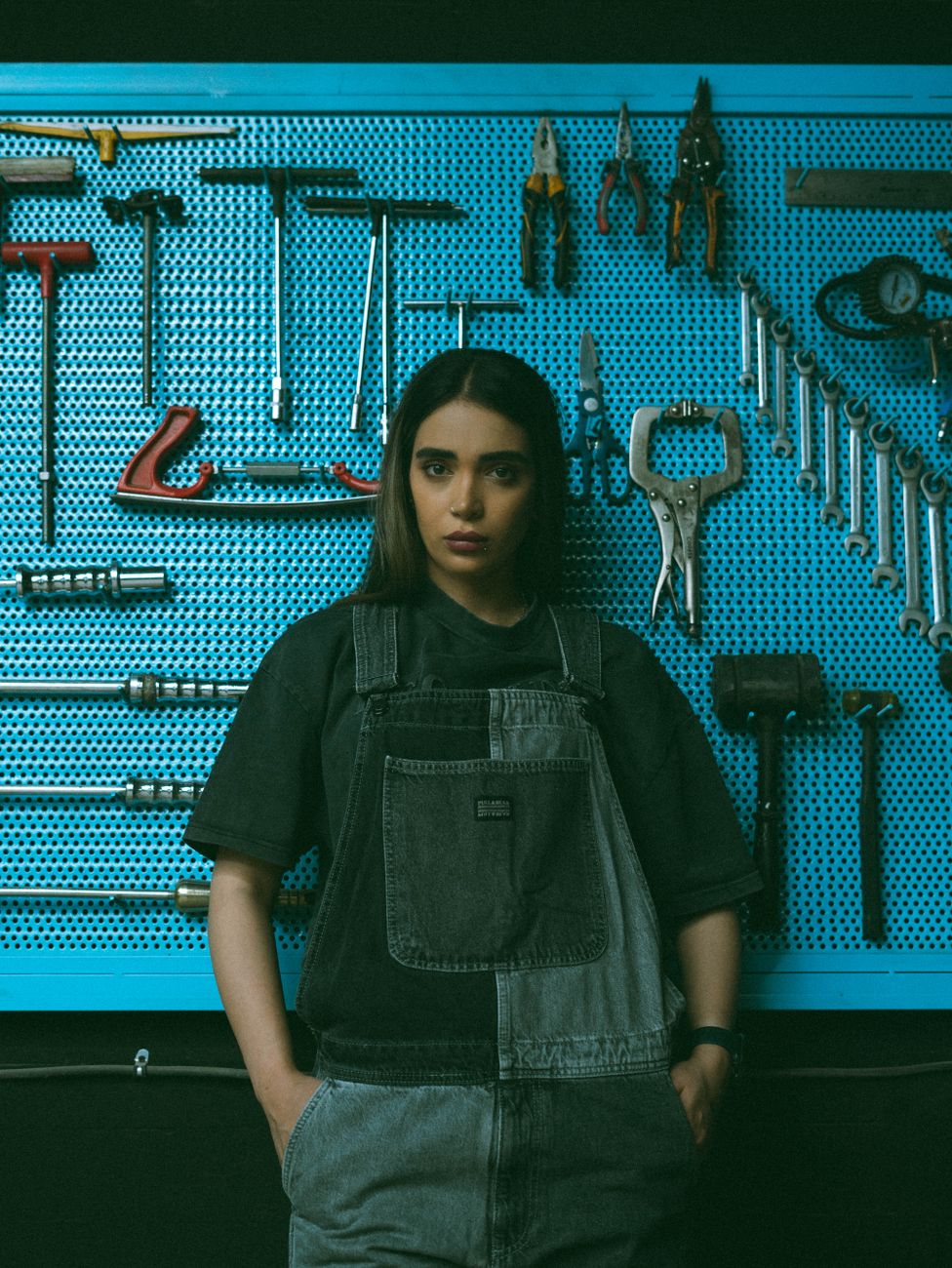
For decades, hands-on careers have carried an unfair label: “for boys”, “for people who aren’t academic”, “for those who didn’t make it to university”. It’s a stigma that hurts everyone — boys, girls, parents, employers, and the country’s skill base.
But history already proved this stigma wrong.
During the Second World War, women stepped into engineering, machining, welding, aircraft assembly, codebreaking, logistics, and heavy industry. They didn’t just “fill in” — they excelled. They mastered skills that society had wrongly assumed only men could do.
WWII didn’t just change the workforce. It exposed a truth we still haven’t fully accepted: hands-on, skilled labour is not gendered — it’s human.
🌱 The Stigma Didn’t Come From Ability — It Came From Culture
The idea that practical work is “for boys” wasn’t born from skill or intelligence. It came from:
- old-fashioned gender roles
- post-war economic restructuring
- the rise of office work
- the push toward academic pathways
- the collapse of apprenticeships
- the myth that university equals success
None of these things reflect what people are actually capable of.
Hands-on work demands:
- precision
- problem-solving
- creativity
- spatial reasoning
- resilience
- teamwork
- judgement
These abilities belong to everyone, not one gender.
🔧 WWII: The Moment the Myth Fell Apart
When men went to war, women stepped into roles previously closed to them:
- aircraft manufacturing
- munitions production
- mechanical assembly
- welding and riveting
- transport and logistics
- engineering support
- codebreaking and technical operations
They didn’t just “manage”. They became experts.
They built Spitfires, tanks, radios, engines, and ships. They operated lathes, mills, presses, and cranes. They mastered micro‑precision work in optics, electronics, and instrumentation.
WWII proved that skill is not gendered — opportunity is.
🧠 Hands-On Work Suits Many Cognitive Profiles
Hands-on careers naturally support:
- ADHD
- dyslexia
- dyspraxia
- autism
- anxiety
Because they offer:
- movement
- sensory feedback
- clear routines
- visible progress
- practical problem-solving
- mentorship
- immediate feedback
These environments help people thrive — regardless of gender.
When we stigmatise hands-on work, we unintentionally stigmatise the people who flourish in it.
💷 Skilled Labour Is Well Paid — But We Don’t Tell Girls That
Many hands-on careers pay more than graduate office roles:
- electricians
- plumbers
- machinists
- precision engineers
- lift technicians
- automotive technicians
- carpenters
- sewing machine technicians
- CNC operators
These roles are:
- future-proof
- essential
- respected
- impossible to outsource
- impossible to automate fully
But girls are rarely encouraged to pursue them.
We tell them to aim for:
- healthcare
- teaching
- admin
- retail
- office work
All valuable careers — but not the full picture.
🏫 Education Still Sends the Wrong Message
Schools often unintentionally reinforce the stigma:
- practical subjects reduced or removed
- workshops replaced with classrooms
- apprenticeships treated as “second best”
- girls steered toward academic or caring professions
- boys steered toward engineering or trades
This isn’t about ability. It’s about expectation.
If we want equality, we must change the message — not the children.
🏭 Industry Needs Everyone
The UK is facing a massive skills shortage in:
- engineering
- construction
- manufacturing
- machining
- precision work
- repair and maintenance
These are not “male” industries. They are human industries.
And they need:
- girls
- boys
- neurodivergent learners
- practical thinkers
- problem-solvers
- makers
- fixers
Hands-on work is not a fallback. It’s a foundation.
🌟 Final Thought
Skilled labour is not “for boys”. It never was. WWII proved it. Modern industry proves it. Neurodiversity proves it. The future workforce proves it.
Hands-on careers are:
- skilled
- respected
- well-paid
- essential
- creative
- technical
- future-proof
- for everyone
If we want a stronger, fairer future, we must remove the stigma — and open the workshop door to everyone.