
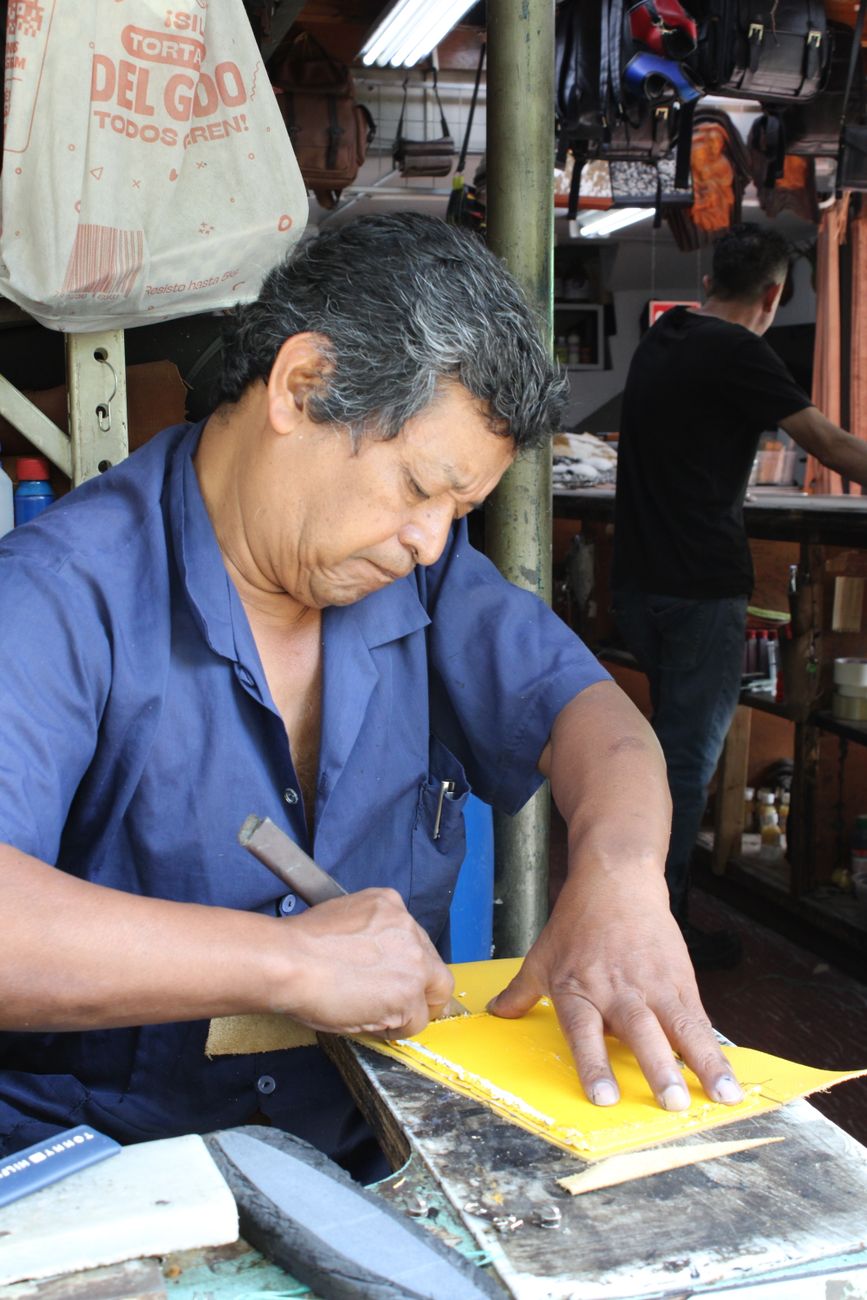
Somewhere along the way, we started telling young people that “real success” meant sitting at a desk. That the future was academic. That hands-on work was old-fashioned, low-paid, or something you did only if you “weren’t good enough” for university.
It’s one of the most damaging myths we’ve ever created.
Because hands-on labour isn’t unskilled. It isn’t low-value. And it absolutely isn’t something to look down on.
Hands-on careers are skilled, respected, well-paid, and essential — and removing the stigma around them might be one of the most important cultural shifts we can make.
🌱 Where Did the Stigma Come From?
The stigma didn’t come from the work itself. It came from a story we told ourselves during the shift from manufacturing to services.
For decades, the UK pushed:
- more GCSEs
- more A‑levels
- more university places
- more office jobs
- more digital careers
We quietly labelled practical work as “less than”. We turned apprenticeships into a fallback instead of a first choice. We replaced workshops with classrooms and expected everyone to thrive.
But the world didn’t become less physical. We just became less honest about how much skill physical work requires.
🔧 Hands-On Work Is Highly Skilled — We Just Stopped Saying It
Hands-on careers demand:
- spatial reasoning
- problem-solving
- craftsmanship
- precision
- creativity
- resilience
- teamwork
- real-world judgement
These are not “unskilled” abilities. They are rare abilities.
Try finding someone who can:
- diagnose a mechanical fault by sound
- weld a perfect seam
- machine a part to a tolerance thinner than a human hair
- repair a complex sewing machine
- build a roof that lasts 50 years
- wire a house safely
- craft furniture that will outlive its owner
These are not fallback skills. They are mastery.
💷 The Pay Myth: Hands-On Careers Can Be Extremely Well Paid
Many hands-on careers pay more than graduate office roles.
Examples include:
- electricians
- plumbers
- machinists
- precision engineers
- joiners
- lift engineers
- CNC operators
- automotive technicians
- sewing machine technicians (your future side-business!)
And unlike many office jobs, these roles:
- cannot be outsourced
- cannot be automated easily
- cannot be replaced by AI
- are always in demand
Hands-on work is not just respectable — it’s economically smart.
🧠 Neurodiversity: Why Hands-On Work Suits ADHD and Dyslexia
This is the part almost nobody talks about.
Hands-on work naturally supports:
- ADHD
- dyslexia
- dyspraxia
- autism
- anxiety
Because it provides:
- movement
- sensory feedback
- clear routines
- visible progress
- practical problem-solving
- mentorship
- immediate feedback
These environments regulate attention, reduce overwhelm, and build confidence.
When we stigmatise hands-on careers, we unintentionally stigmatise the cognitive profiles that thrive in them.
🏫 Education Made the Stigma Worse
By removing:
- woodwork
- metalwork
- textiles
- mechanics
- design & technology
- vocational pathways
- apprenticeships from age 14
We removed the places where practical learners shine.
We told them: “You’re only successful if you sit still, write essays, and pass exams.”
That message has harmed:
- confidence
- mental health
- engagement
- behaviour
- neurodivergent learners
- national skill capability
Rolling back the stigma means rolling back the idea that academic = superior.
🏭 Industry Needs These Skills More Than Ever
The UK is rediscovering something our grandparents already knew:
You cannot run a country without people who can make, fix, build, and craft.
We need:
- machinists
- engineers
- technicians
- builders
- repairers
- craftspeople
- precision specialists
These roles are not “old-fashioned”. They are the backbone of national resilience.
🌟 Final Thought
Hands-on careers are not second-class. They are not fallback options. They are not for people who “can’t cope” with academic work.
They are:
- skilled
- respected
- well-paid
- essential
- future-proof
- cognitively diverse
- the foundation of every modern economy
Removing the stigma isn’t just about changing attitudes. It’s about rebuilding a culture that values making, fixing, and crafting as much as it values typing, emailing, and presenting.
If we want a stronger future, we need to respect the skills that build it.