
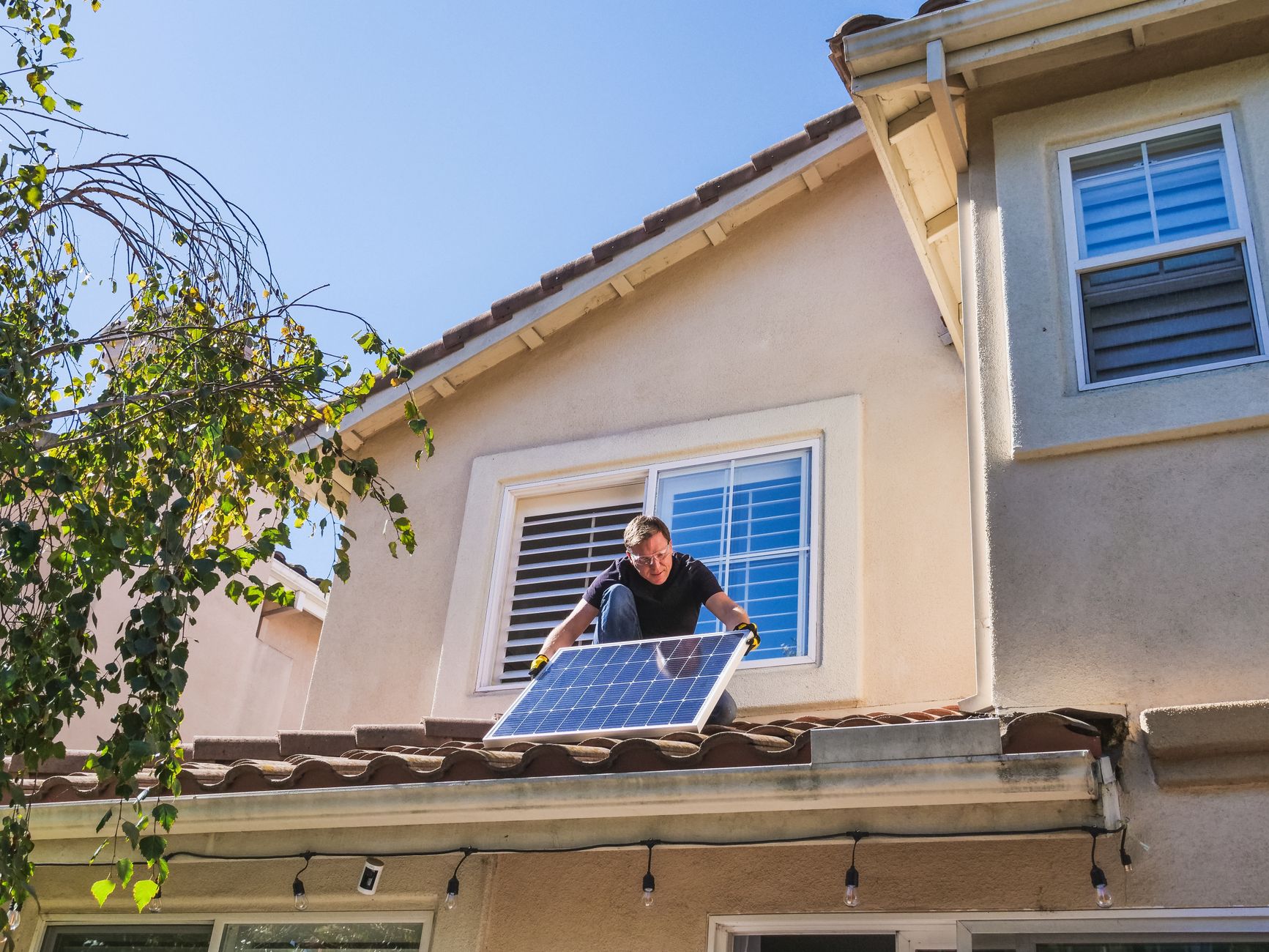
Plug‑in solar is finally becoming legal in the UK — and the launch date is now locked in. After years of consultations, wiring‑regulation changes and draft specifications, the UK government has confirmed that certified plug‑in solar kits will be legal to buy and use from 27 August 2026.
This summer’s updates give us the clearest picture yet of what households can expect, what the rules actually say, and what early kits will look like.
☀️ What’s Now Confirmed for 2026
- Legal start date: 27 August 2026 (Statutory Instrument SI 2026/848).
- Maximum inverter output: 800VA (≈800W).
- Maximum solar panel capacity: Up to 2,000W within an approved kit.
- Connection method: A standard UK 13A three‑pin plug, but only as part of a fully certified kit.
- Batteries: Not allowed in the plug‑in route (battery kits remain separate).
- Installation: Self‑install permitted — no scaffolding, no electrician required.
- Network notification: You must notify your DNO after installation.
- Device limit: Initially one device per household, moving to one per circuit once G98 is amended in 2027.
⚙️ Why This Matters
For the first time, UK households — including renters, flat‑dwellers and anyone without a suitable roof — can legally offset daytime electricity use with a simple DIY kit.
A typical 800W system can power:
- a fridge
- broadband router
- lights
- laptop
…all day, directly reducing grid consumption.
Annual savings are typically £100–£180 depending on location and orientation.
🔧 The Standards Behind the Change
Three regulatory pillars finally aligned this summer:
- BS 7671 Amendment 4 (April 2026) — authorises plug‑in solar connection for certified kits.
- DESNZ Interim Product Specification v2.0 (July 2026) — defines the technical and safety requirements for launch kits.
- SI 2026/848 (July 2026) — legally enables plug‑in solar via amendments to the Plugs and Sockets Regulations.
Together, these create the first fully legal route for plug‑in microgeneration in the UK.
🛒 What Will Summer 2026 Kits Look Like?
Early kits expected from brands like EcoFlow and Anker will likely include:
- 1–2 panels (400–500W each)
- A certified microinverter capped at 800VA
- UK‑approved plug and cabling
- Mounting options for balconies, fences, garages or patios
- Mandatory safety documentation and registration steps
EcoFlow’s STREAM 800W kits are already priced around £499 (battery versions ~£979), though these are not yet certified for the plug‑in route until the new specification is applied.
🏡 Who Plug‑In Solar Is Perfect For
- Renters (with landlord consent)
- Flats and maisonettes
- Homes with poor roof orientation
- Anyone wanting low‑cost solar without installers
- Families wanting predictable daytime bill reduction
📅 Timeline: Summer 2026 at a Glance
| Date | What Happened |
|---|---|
| 15 March 2026 | Government confirms intent to legalise plug‑in solar. |
| 15 April 2026 | BS 7671 Amendment 4 published. |
| 16–30 June 2026 | Public consultation (466 responses, 85% supportive). |
| 16 July 2026 | SI 2026/848 made; Interim Product Specification v2.0 published. |
| 27 August 2026 | Plug‑in solar becomes fully legal for certified kits. |
🔍 What You Should Do Now
- Wait for certified kits — current products are not yet approved for plug‑in use.
- Plan your mounting location (balcony, fence, shed roof, patio).
- Check your DNO’s notification process for microgeneration.
- Estimate your savings using a PVGIS calculator or brand‑specific tools.
📝 Conclusion
Summer 2026 marks the moment plug‑in solar stops being a grey area and becomes a mainstream, legal, DIY option for UK households. With clear rules, certified kits and a confirmed launch date, plug‑in solar is set to become one of the simplest ways to cut energy bills — especially for renters and families without roof access.